
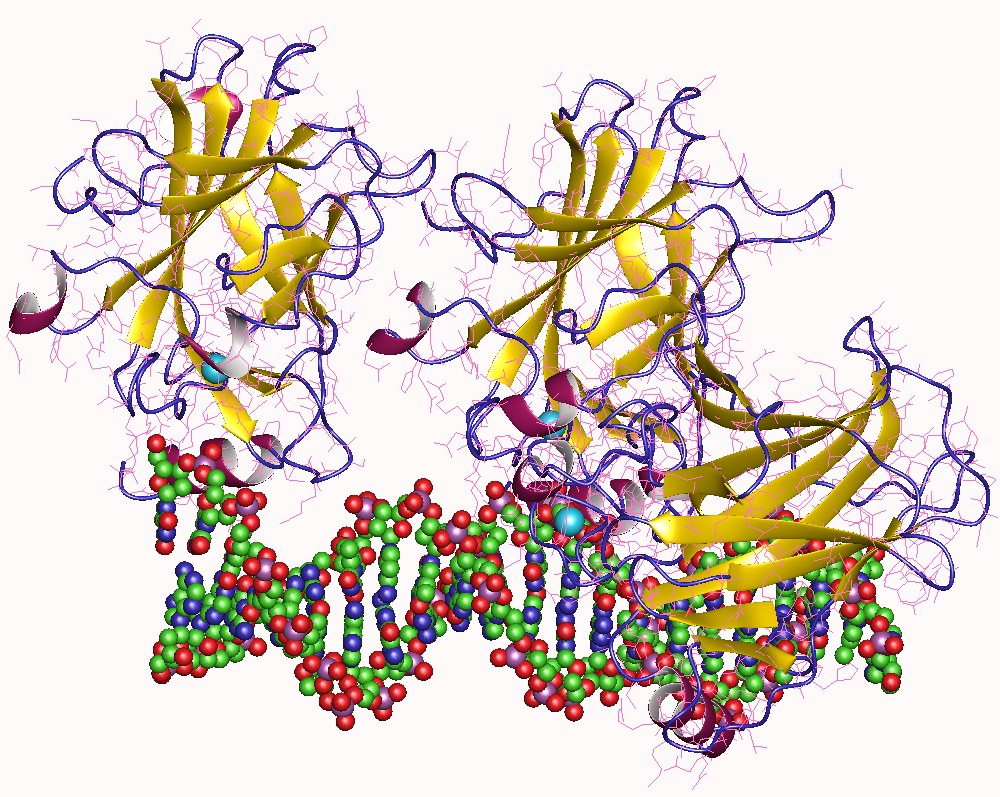
The tumor suppressor p53 is critical for maintaining cellular integrity. Its loss generates a signaling gradient that drives epithelial clonal expansion, raising concerns in cancer research.
Understanding Tumor Suppressor p53
The tumor suppressor p53 plays a critical role in regulating the cell cycle and maintaining genomic stability. When functioning properly, p53 can induce cell cycle arrest, facilitate DNA repair, or trigger apoptosis in response to cellular stress. However, mutations in the p53 gene are common in various cancers, leading to loss of its tumor-suppressing capabilities.
Recent research highlights how the loss of p53 generates a signaling gradient that promotes epithelial clonal expansion. This phenomenon not only accelerates tumorigenesis but also complicates treatment options and patient outcomes. Understanding the intricate mechanisms by which the tumor suppressor p53 operates can provide invaluable insights into cancer development and potential therapeutic interventions.
- Key functions of p53:
- Cell cycle regulation
- DNA repair facilitation
- Apoptosis induction
The Role of p53 in Cancer
The tumor suppressor p53 plays a critical role in maintaining cellular integrity and preventing cancer development. This protein acts as a guardian of the genome, responding to cellular stress and DNA damage by initiating repair mechanisms or triggering apoptosis if the damage is irreparable. However, mutations in the p53 gene are among the most common alterations found in human cancers, rendering the protein ineffective.
When p53 is lost, it can lead to uncontrolled cell proliferation and tumor progression. Recent research has shown that the loss of p53 generates a signaling gradient that promotes epithelial clonal expansion, further contributing to cancer development. The implications of these findings underscore the importance of p53 in cancer biology and highlight the potential consequences of targeting this key tumor suppressor in therapeutic strategies.
Implications of Clonal Expansion
The implications of clonal expansion in the context of tumor suppressor p53 are profound. When p53 is lost, it not only disrupts the normal regulation of cell growth but also initiates a cascade of events that promote unregulated cell proliferation. This loss creates a signaling gradient that favors the survival and expansion of certain epithelial cell populations.
Research indicates that the absence of p53 leads to a competitive advantage for these cells, fostering a microenvironment conducive to cancer progression. As these clonal populations expand, they may acquire additional mutations, further complicating the cancer landscape.
Overall, the loss of the tumor suppressor p53 may catalyze a vicious cycle of clonal dominance, with significant implications for cancer therapy and the understanding of tumor heterogeneity.
Recent Research Findings
Recent studies have shed light on the complex role of the tumor suppressor p53 in cancer progression. A significant finding revealed that the loss of p53 leads to altered signaling pathways, which in turn generates a gradient that fosters clonal expansion within epithelial tissues. This discovery challenges the long-held belief that p53 solely functions to suppress tumor growth.
Researchers observed that when p53 is inactive, cells exhibit increased proliferation and survival rates, contributing to tumor development. The implications of these findings are profound, as they suggest that targeting the pathways influenced by the absence of p53 could provide new therapeutic avenues for cancer treatment. Ongoing research aims to further investigate this signaling gradient and its role in the dynamics of cancer progression, potentially redefining strategies to combat malignancies associated with p53 dysfunction.
Future Directions in Cancer Studies
As researchers continue to explore the complexities of cancer biology, the focus on the tumor suppressor p53 remains paramount. Future studies are expected to delve deeper into the mechanisms by which p53 loss affects cellular behavior and tumor progression. Key areas of investigation include:
- Targeted therapies: Developing drugs that can restore p53 function or mimic its activity may offer new treatment options for patients.
- Signaling pathways: Understanding how p53 interacts with other cellular signals could reveal novel insights into tumor behavior.
- Clonal dynamics: Investigating how p53 loss influences clonal expansion will enhance our knowledge of tumor evolution.
- Early detection: Identifying biomarkers associated with p53 dysfunction may improve cancer screening strategies.
Overall, the future directions in cancer studies are likely to further illuminate the critical role of tumor suppressor p53 in cancer development and treatment.
Conclusion and Key Takeaways
In conclusion, the tumor suppressor p53 remains a pivotal focus in cancer research, yet recent findings suggest that its loss may generate unforeseen consequences. The ability of p53 to regulate cellular processes highlights its significance in maintaining genomic integrity.
Key takeaways from the recent studies include:
- Loss of p53: Results in enhanced clonal expansion within epithelial tissues, which may contribute to tumorigenesis.
- Signaling Gradient: The disruption of p53 creates a signaling environment that fosters unchecked cellular proliferation.
- Research Implications: Understanding the mechanisms behind p53 loss could lead to novel therapeutic strategies targeting cancer progression.
As research evolves, a deeper comprehension of the tumor suppressor p53 will be crucial in redefining cancer treatment approaches.
By Deposition authors: Cho, Y., Gorina, S., Jeffrey, P.D., Pavletich, N.P.; visualization author: User:Astrojan via Openverse