
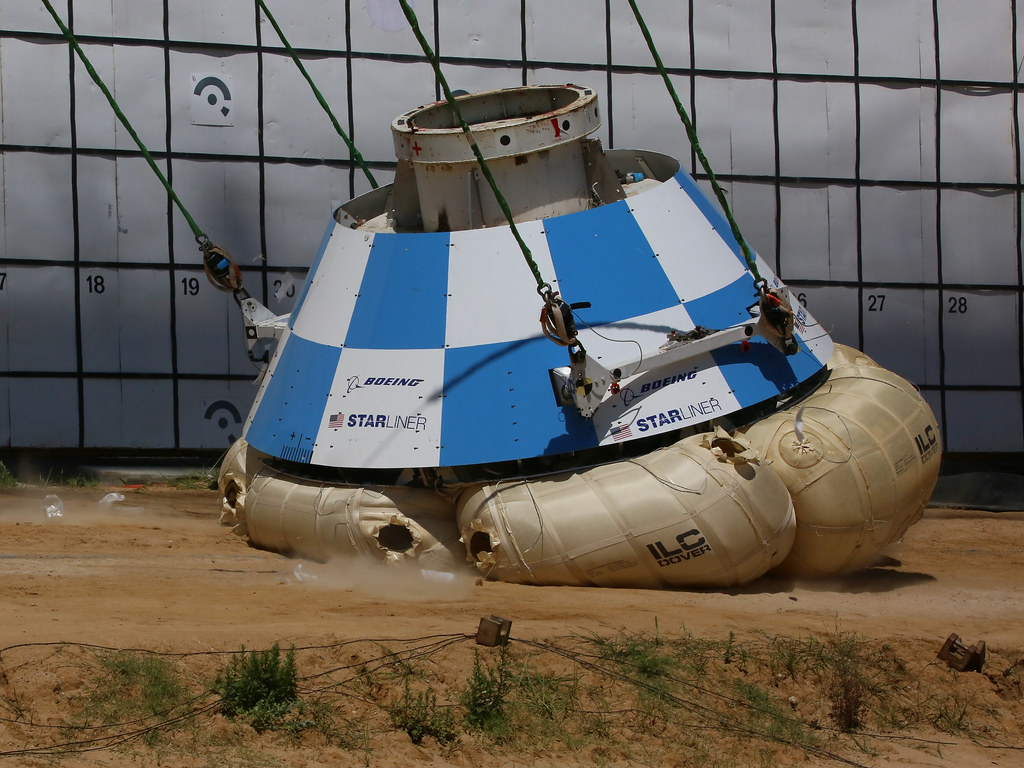
The Boeing Starliner test is facing significant hurdles as NASA runs out of options for its upcoming mission. This critical test will determine the future of the spacecraft and its role in NASA’s plans.
Overview of Boeing Starliner
The Boeing Starliner test represents a pivotal moment in NASA’s ongoing efforts to develop reliable spacecraft for crewed missions to the International Space Station (ISS). Initially designed to transport astronauts to and from the ISS, the Starliner program has encountered several challenges that have delayed its operational timeline.
NASA’s partnership with Boeing is crucial, especially as the agency seeks to diversify its crew transport options beyond SpaceX’s Crew Dragon. The Starliner is intended to provide a safe and efficient means of travel, but a series of setbacks have raised concerns about its readiness for future missions.
Key aspects of the Boeing Starliner include:
- Launch Vehicle: The Starliner is designed to be launched atop an Atlas V rocket, ensuring a robust lift-off capability.
- Capacity: It can carry up to seven astronauts, making it one of the largest crewed spacecraft developed in recent years.
- Autonomous Systems: The spacecraft features advanced autonomous capabilities, allowing it to operate with minimal human intervention.
As the Boeing Starliner test approaches, NASA is under pressure to validate the spacecraft’s systems and ensure it meets safety standards. With limited alternatives available, the success of this test is critical for the future of human spaceflight missions.
Challenges Ahead for NASA
The upcoming Boeing Starliner test presents significant hurdles for NASA as the agency approaches a critical juncture in its crewed spaceflight program. With mounting pressure to deliver a reliable spacecraft, NASA faces several challenges that could impact the future of human exploration beyond Earth.
Among the primary concerns are:
- Technical Reliability: The Boeing Starliner must demonstrate flawless performance during its test flight to regain confidence after previous setbacks.
- Time Constraints: As deadlines loom, NASA is under pressure to achieve milestones, which may complicate thorough testing and evaluation.
- Budget Limitations: With funding being scrutinized, any delays could further strain financial resources and affect future missions.
- Public Expectations: The recent failures have led to increased scrutiny from stakeholders, pushing NASA to deliver a successful Boeing Starliner test.
As NASA navigates these challenges, the success of the Boeing Starliner test will be crucial not only for the spacecraft’s future but also for the agency’s broader ambitions in space exploration. The outcome will likely shape NASA’s strategy and partnerships in the coming years.
Boeing Starliner test details
The upcoming Boeing Starliner test marks a pivotal moment for NASA as it grapples with its future in crewed space exploration. This test is not only essential for the Starliner program but also for NASA’s broader goals in human spaceflight.
Scheduled for later this year, the test aims to validate the spacecraft’s systems and performance after a series of delays and setbacks. Key elements of the test include:
- Launch Schedule: The launch is planned for a date yet to be confirmed, with preparations already underway at Cape Canaveral.
- Objectives: The primary objective is to demonstrate the Starliner’s capability to safely transport crew to the International Space Station (ISS) and back.
- Technical Assessments: Engineers will conduct rigorous evaluations of the spacecraft’s systems, including propulsion and navigation.
- Safety Protocols: Safety remains the top priority, with comprehensive emergency procedures established to mitigate risks during the flight.
As the countdown to the Boeing Starliner test begins, NASA faces mounting pressure to succeed. The outcome of this test will determine not only the future of Boeing’s spacecraft but also the agency’s ability to maintain a reliable presence in low Earth orbit.
Future of Spacecraft Development
The future of spacecraft development is increasingly dependent on the success of missions like the Boeing Starliner test. As NASA navigates through a critical phase, the need for reliable transportation to the International Space Station (ISS) has never been more pressing. With the retirement of the Space Shuttle program, commercial partnerships have become essential for maintaining U.S. access to space.
The Starliner, designed to transport crew and cargo to the ISS, represents a significant step forward in this mission. However, the stakes are high, and the road ahead is fraught with challenges. As NASA faces a dwindling number of options, the pressure mounts on Boeing to deliver a successful test flight.
Several factors will influence the future trajectory of spacecraft development, including:
- Technological advancements: Continuous improvements in aerodynamics and materials can enhance spacecraft safety and performance.
- Regulatory support: Streamlined processes can accelerate development timelines, benefiting both NASA and its commercial partners.
- Funding and investment: Increased financial backing is crucial for sustaining innovative projects and ensuring timely progress.
Ultimately, the outcome of the Boeing Starliner test will not only impact NASA’s current objectives but also shape the future landscape of human space exploration.
By NASAKennedy via Openverse