
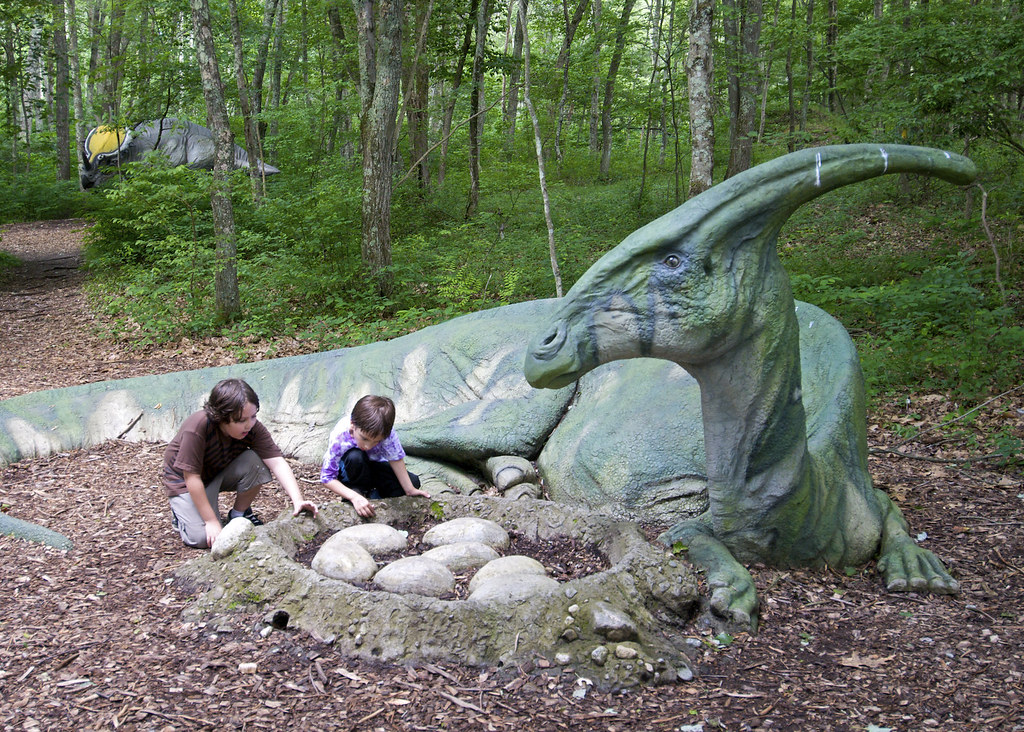
The giant dinosaur discovery has unveiled an anatomically bizarre creature with 3-foot claws and tons of teeth. This remarkable find sheds light on prehistoric life.
What Makes This Giant Dinosaur Unique?
The recent giant dinosaur discovery has captivated scientists and enthusiasts alike, shedding light on what makes this colossal creature stand out in the annals of paleontology. This dinosaur, described as ‘anatomically bizarre,’ possesses distinct features that differentiate it from its relatives.
One of the most striking characteristics is its enormous claws, measuring up to three feet in length. These formidable appendages suggest that the dinosaur may have utilized them for hunting or defense, challenging previous notions about its feeding habits.
Additionally, its jaw is lined with an extraordinary number of teeth, indicating it likely had a varied diet. Researchers speculate that this could have allowed the dinosaur to adapt to different environments and food sources, further emphasizing its uniqueness.
Moreover, the skeletal structure of this giant dinosaur reveals a combination of traits not commonly found among other species of its time. Scientists are particularly intrigued by its elongated limbs and proportionate body, leading to discussions about its locomotion and behavior.
In summary, the giant dinosaur discovery not only unveils a remarkable creature but also raises essential questions regarding the evolution and diversity of dinosaurs during their reign on Earth. Researchers continue to analyze the findings to unlock further secrets surrounding this fascinating species.
Key Features of the Discovery
The recent giant dinosaur discovery has captivated scientists and paleontology enthusiasts alike, revealing a plethora of intriguing features that highlight the unique anatomy of this ancient creature.
- Massive Size: The giant dinosaur is estimated to have been over 30 feet long, making it one of the largest species ever identified. Its sheer size presents new insights into the evolution of giant dinosaurs.
- Distinctive Claws: Among the most striking characteristics are its 3-foot claws, which are believed to have played a crucial role in its predatory behavior. These claws suggest a level of adaptability that was previously unrecognized in similar species.
- Unusual Teeth: The discovery also revealed a mouth full of sharp teeth, totaling in the hundreds. This anatomical feature indicates a diet that may have included a wide range of prey, showcasing its versatility as a predator.
- Unique Skeletal Structure: The skeletal remains exhibit an anatomically bizarre arrangement compared to other known dinosaurs, offering new avenues for research into the evolutionary adaptations of massive land animals.
Overall, the giant dinosaur discovery not only challenges existing theories but also opens up exciting possibilities for future studies in paleontology.
Implications for Paleontology
The recent giant dinosaur discovery has profound implications for the field of paleontology. Researchers are now re-evaluating the evolutionary pathways that led to the development of such enormous creatures. This finding challenges previous assumptions about dinosaur size and adaptation to their environment.
One significant implication is the potential for discovering new species. As paleontologists analyze the remains of this giant dinosaur, they may uncover characteristics that differentiate it from known species. This could lead to a deeper understanding of the diversity that existed among prehistoric creatures.
Furthermore, the giant dinosaur discovery raises questions about the ecosystem in which these organisms thrived. The presence of such a large predator suggests a complex food chain that may have included other formidable species. This could help scientists reconstruct ancient habitats and better understand the interactions between various species.
Additionally, the anatomical features of this dinosaur, including its three-foot claws and numerous teeth, prompt further investigation into its feeding habits and hunting strategies. Understanding these aspects is crucial for creating a more complete picture of its lifestyle and environment.
In summary, the giant dinosaur discovery not only enhances our knowledge of dinosaur biology but also opens new avenues for research in paleontology.
Comparing with Other Dinosaurs
The recent giant dinosaur discovery has drawn comparisons to several other notable species from the Mesozoic era. Paleontologists are particularly intrigued by the anatomical features that distinguish this giant from its relatives.
One of the most striking comparisons can be made with the Tyrannosaurus rex. While the T. rex is known for its formidable size and powerful bite, the newly discovered giant exhibits unique adaptations. For instance, its 3-foot claws and an abundance of teeth suggest a different feeding strategy, possibly indicating a herbivorous or omnivorous diet rather than the strictly carnivorous tendencies of the T. rex.
Another dinosaur to consider is the Spinosaurus, known for its aquatic adaptations. The giant dinosaur discovery shares some morphological traits, such as elongated limbs, yet diverges significantly in the structure of its skull and teeth, which seem to be more suited for gripping rather than tearing flesh.
Additionally, comparisons with theropods reveal a new understanding of evolutionary diversity among large dinosaurs. The bizarre anatomical features of this giant challenge previous assumptions about the ecological niches occupied by these ancient creatures.
- Tyrannosaurus rex: Carnivorous, powerful jaws
- Spinosaurus: Aquatic adaptations
- Theropods: Diverse evolutionary paths
How Scientists Made the Discovery
In a groundbreaking exploration, scientists employed advanced techniques to uncover the secrets behind the giant dinosaur discovery. The research team, consisting of paleontologists and geologists, utilized a combination of fieldwork and cutting-edge technology to analyze fossilized remains.
Initially, the team conducted extensive excavations in a remote area known for its rich paleontological deposits. The site yielded an impressive array of fossils, including:
- Massive bones indicating a size previously unseen in known dinosaur species
- Remarkable 3-foot claws that suggest unique hunting or foraging behaviors
- A plethora of teeth that reveal insights into the dinosaur’s diet
Following the excavation, researchers employed 3D imaging techniques to create detailed models of the discovered remains. This allowed scientists to analyze the anatomy without causing damage to the fragile fossils. Additionally, radiographic imaging helped in identifying internal structures that might have been overlooked during traditional examinations.
Through these meticulous methods, scientists pieced together a clearer picture of this giant dinosaur’s life and environment. The giant dinosaur discovery not only sheds light on its unique adaptations but also opens up new avenues for future research in paleontology.
The Role of Fossils in Understanding Dinosaurs
The discovery of a giant dinosaur is not only a remarkable find but also a testament to the invaluable role of fossils in understanding these ancient creatures. Fossils serve as a direct window into the past, providing crucial evidence about the anatomy, behavior, and environment of dinosaurs that roamed the Earth millions of years ago.
Fossils are categorized into several types, including:
- Body fossils: These include the remains of the actual dinosaur, such as bones, teeth, and claws. For the recent giant dinosaur discovery, researchers unearthed a collection of 3-foot claws and numerous teeth, which reveal significant information about its feeding habits and physical characteristics.
- Trace fossils: These are indirect signs of life, such as footprints, nests, or even feces. They provide insights into the behavior and movement of dinosaurs.
- Soft tissue fossils: Rarely preserved, these can offer astonishing details about the biology and development of dinosaurs.
Through the examination of these fossils, paleontologists can reconstruct the life of the giant dinosaur, understanding not just its size but also how it interacted with its environment. Each fossil discovered adds a piece to the puzzle of our planet’s prehistoric past, making every finding a significant contribution to the field of paleontology.
Future Research Directions
As the excitement surrounding the giant dinosaur discovery continues to grow, researchers are outlining future research directions that may shed further light on this remarkable find. With the initial analysis completed, several key areas have been identified for ongoing investigation.
- Further Fossil Analysis: Scientists plan to conduct in-depth studies on the fossils to better understand the anatomical features of the giant dinosaur. This includes a detailed examination of its unique skeletal structure and the implications of its size.
- Ecological Context: Researchers aim to explore the environment in which this giant dinosaur lived. By studying sediment samples and other fossils from the same strata, scientists hope to reconstruct its habitat and dietary habits.
- Comparative Studies: Future research will also involve comparing this giant dinosaur to other known species. This will help establish evolutionary relationships and understand how it fits into the broader dinosaur lineage.
- Technological Advancements: New imaging technologies will be utilized to visualize the internal structures of the fossils without causing any damage, offering insights that were previously unattainable.
In summary, the future of research on this giant dinosaur discovery holds great promise, with the potential to unlock secrets that may redefine our understanding of dinosaur evolution and diversity.
Public Fascination with Dinosaurs
The discovery of a giant dinosaur has captivated the public’s imagination, sparking interest in paleontology and the prehistoric world. Dinosaurs have long been a source of fascination, with their colossal sizes and diverse forms igniting curiosity among people of all ages.
Recent findings, particularly the discovery of this giant dinosaur, have reignited discussions about these ancient creatures and their environments. Many are drawn to the sheer scale and uniqueness of such prehistoric beings, leading to a surge in media coverage and public events focused on dinosaurs.
Social media platforms have also played a significant role in spreading excitement. Enthusiasts share images, videos, and articles, making information about the giant dinosaur discovery accessible to a wider audience. This digital buzz often leads to increased attendance at museums and educational programs where people can learn more about these fascinating creatures.
Additionally, documentaries and films featuring dinosaurs contribute to ongoing interest, with many viewers eager to learn about the latest scientific findings. This giant dinosaur discovery serves as a reminder of the wonders of our planet’s history and encourages future generations to explore the field of paleontology. As more discoveries are made, the collective fascination with these ancient giants will continue to grow, ensuring that dinosaurs remain a vital part of popular culture.
By Peter Rivera via Openverse