
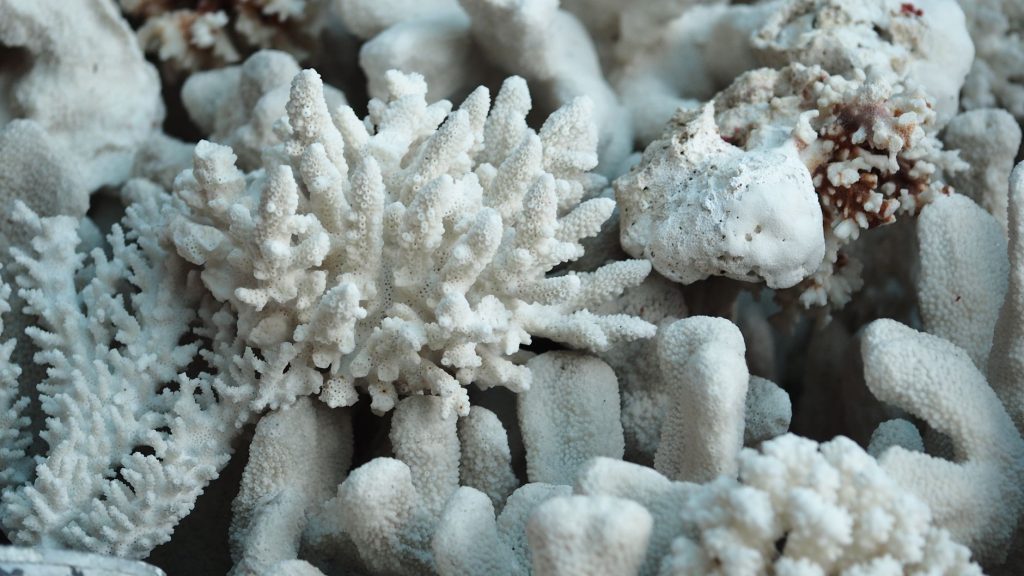
coral bleaching reversal is a significant breakthrough achieved using a new Stanford method, showcasing that our oceans are not a lost cause.
Understanding Coral Bleaching
Coral bleaching is a phenomenon that occurs when stressed corals expel the symbiotic algae living in their tissues, leading to a loss of color and vitality. This stress is often caused by rising ocean temperatures, pollution, and other environmental factors. When corals bleach, they become more susceptible to disease and mortality, which has dire implications for marine ecosystems.
Research has shown that coral reefs play a critical role in marine biodiversity, providing habitat for numerous species and protecting coastlines from erosion. However, the alarming increase in coral bleaching events worldwide has raised concerns about the future of these ecosystems.
Fortunately, recent advancements in scientific research have led to promising methods for coral bleaching reversal. A groundbreaking study from Stanford University revealed that corals could recover rapidly when exposed to specific conditions that promote the reestablishment of algae. This method not only demonstrates that coral reefs are not a lost cause, but it also offers renewed hope for their restoration.
Key factors influencing the success of coral bleaching reversal include:
- Temperature regulation
- Water quality improvement
- Protection from overfishing
- Restoration of coral habitats
As scientists continue to explore innovative approaches to combat coral bleaching, the future of these vital ecosystems may be brighter than previously thought.
The New Stanford Method Explained
In a groundbreaking study, researchers at Stanford University have developed an innovative method that promises to reverse coral bleaching, offering a glimmer of hope in the fight against climate change’s impact on marine ecosystems. The new technique involves a multifaceted approach aimed at enhancing coral resilience under stress conditions.
Central to this method is the application of specific nutrients designed to revitalize coral health. By introducing these nutrients into affected areas, researchers observed a remarkable recovery in coral’s vibrant colors and overall vitality. The process not only promotes the regrowth of symbiotic algae, essential for coral survival, but also strengthens the coral’s immune response to environmental stressors.
Key components of the method include:
- Nutrient enrichment: Enhancing the availability of critical nutrients that corals require for growth.
- Environmental monitoring: Continuously assessing water quality and temperature to optimize conditions for coral recovery.
- Community involvement: Engaging local communities in monitoring efforts, fostering a sense of stewardship for marine environments.
This method has demonstrated effectiveness in various test sites, leading scientists to believe that coral bleaching reversal is achievable. With ongoing research and refinement, the Stanford method represents a significant step forward in marine conservation efforts, suggesting that coral ecosystems are not a lost cause after all.
Impact on Marine Ecosystems
The effects of coral bleaching on marine ecosystems are profound and far-reaching. When corals expel the symbiotic algae living in their tissues, they not only lose their vibrant colors but also their primary source of nutrition. This process can lead to significant disruptions in the entire marine food web.
Coral reefs support over 500 million people worldwide, providing essential resources such as food and income. The loss of healthy coral reefs due to bleaching can endanger countless marine species and diminish biodiversity. Recent studies show that coral bleaching can affect fish populations, as many rely on healthy reefs for habitat and breeding.
However, with the advent of the new Stanford method, there is a glimmer of hope for reversing coral bleaching. This innovative approach not only addresses the immediate effects of bleaching but also helps restore the overall health of marine ecosystems. By promoting coral resilience, the method allows for the recovery of vital habitats that support diverse marine life.
Efforts to combat coral bleaching also have broader implications for ocean health. Healthy coral reefs play a crucial role in carbon sequestration, helping to mitigate climate change effects. Thus, the reversal of coral bleaching is not just about saving corals; it’s about protecting the intricate balance of marine ecosystems and ensuring a sustainable future for ocean life.
Future of Coral Restoration
The future of coral restoration appears promising as scientists continue to explore innovative techniques that address the alarming phenomena of coral bleaching. Recent advancements, particularly the Stanford method, have shown remarkable success in reversing bleaching effects, sparking renewed optimism within the marine biology community.
As efforts to combat coral bleaching gain momentum, researchers are focusing on several key areas:
- Genetic Resilience: Identifying and fostering coral species that exhibit natural resistance to temperature fluctuations may enhance overall reef resilience.
- Restoration Techniques: Implementing artificial intelligence and other technology-driven methods can streamline restoration efforts, ensuring that interventions are timely and effective.
- Community Involvement: Engaging local communities in restoration projects not only raises awareness but also promotes sustainable practices that protect coral reefs.
- Policy Advocacy: Strengthening marine conservation policies is crucial for creating a supportive framework that allows coral ecosystems to thrive.
While challenges remain, the proven method for coral bleaching reversal reinforces the notion that coral reefs are “not a lost cause, at all.” With concerted efforts and innovative approaches, there is hope for restoring these vital marine ecosystems and securing their future for generations to come.
Recent studies highlight the potential of innovative techniques for coral bleaching reversal, showcasing promising results in restoring vibrant marine ecosystems. As researchers continue to explore these methods, coral bleaching reversal could become a viable solution to combat the effects of climate change on coral reefs.
Photo by mingche lee on Pexels
Read the original
Related stories
Space Robotics Startup: Is This the Best Investment Opportunity? · AI Safety Bill: Is It Worth the $1B Investment? · AI Startup Investment: Proven Strategies for Success