
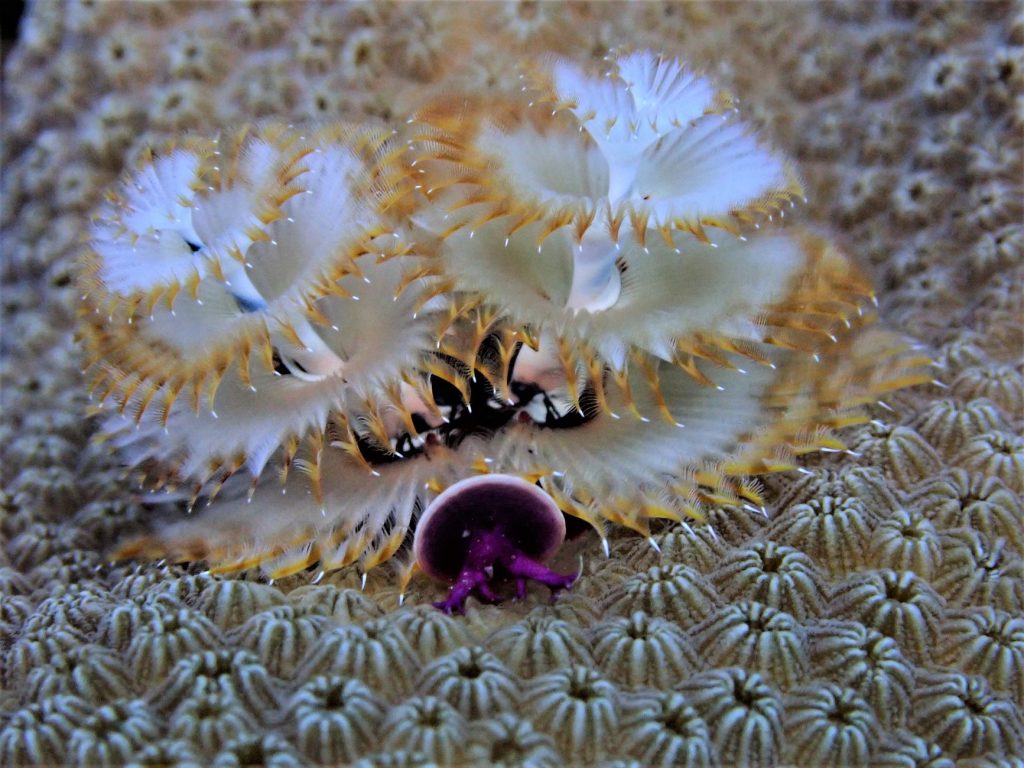
invasive marine worm species have been found in Long Island Sound, marking the first confirmed East Coast record of this troubling discovery.
What is the invasive marine worm?
The invasive marine worm, known scientifically as Glycera dibranchiata, has recently been identified in Long Island Sound, marking the first confirmed record of this species on the East Coast. This worm poses a significant threat to local marine ecosystems and fisheries due to its aggressive nature and rapid reproduction rates.
The invasive marine worm typically thrives in soft sediment environments, where it can outcompete native species for resources. The body of this worm can reach lengths of up to 10 inches, featuring a distinct reddish coloration and numerous bristles that aid in its mobility and feeding.
Concerns among environmentalists and marine biologists have grown as they fear the worm’s presence could disrupt the delicate balance of the ecosystem. The potential impact includes:
- Competition with native species for food and habitat.
- Alteration of sediment structure, affecting other marine life.
- Impact on commercial fisheries due to changes in prey availability.
Continued monitoring and research are essential to mitigate the effects of this invasive marine worm.
Impact on Long Island Sound
The introduction of the invasive marine worm to Long Island Sound poses significant ecological risks that could alter the region’s delicate marine ecosystem. As this species establishes itself, it threatens native organisms and disrupts the food web, leading to potential declines in native fish populations.
Experts warn that the invasive marine worm competes for resources with local species, which can result in:
- Decreased biodiversity: Native species may struggle to survive in the face of increased competition.
- Altered habitats: The presence of the invasive worm could change the physical structure of the sediment, affecting organisms that depend on stable environments.
- Economic impact: Local fisheries and recreational activities may suffer as the balance of the ecosystem shifts, potentially leading to financial losses for communities reliant on marine resources.
As researchers continue to study the invasive marine worm’s effects, it is crucial for the public to be aware of this threat and its potential consequences for Long Island Sound.
First East Coast record
The recent discovery of the invasive marine worm in Long Island Sound marks a significant milestone as it is the first confirmed East Coast record of this species. Scientists first identified this marine worm in the Pacific Ocean, but its presence on the East Coast raises concerns about its potential spread and ecological impact.
Researchers believe that the worm may have arrived through ballast water from ships or via other means of maritime transport. Its ability to thrive in various environments poses a risk to native marine life, as it competes for resources and alters habitats.
Local marine biologists are now closely monitoring the situation, as the implications of this invasive species could be far-reaching. Experts emphasize the importance of early detection and rapid response to manage the threat posed by the invasive marine worm effectively.
As communities along the coast become more aware of this issue, public participation in reporting sightings and promoting best practices for preventing the spread of invasive species will be crucial in protecting Long Island Sound’s delicate ecosystem.
How to combat invasive species
Combating the threat of the invasive marine worm requires a multifaceted approach involving awareness, prevention, and management strategies. It is crucial for local communities, researchers, and policymakers to collaborate in addressing this pressing issue.
First, education is essential. Raising awareness about the invasive marine worm can help prevent its spread. Workshops and informational campaigns can inform boaters, anglers, and divers about the risks associated with transporting marine species.
Second, implementing strict regulations on the movement of marine organisms is vital. Authorities should enforce measures to ensure that equipment, such as boats and fishing gear, is thoroughly cleaned before moving between different water bodies.
Additionally, ongoing research is necessary to monitor the populations of invasive species and assess their impact on local ecosystems. This includes studying how the invasive marine worm interacts with native species.
Finally, public participation in local conservation efforts can help mitigate the effects of invasive species. Community clean-up days and habitat restoration projects can foster a sense of stewardship among residents.
Community response and awareness
In recent weeks, the discovery of the invasive marine worm in Long Island Sound has sparked significant concern among local communities. Residents, environmental groups, and policymakers are coming together to address this pressing issue.
Community meetings have been organized to raise awareness about the potential threats posed by the invasive species. These gatherings aim to educate the public on the characteristics of the worm and its impact on the local ecosystem. Participants are encouraged to share observations and report any sightings of the worm in the area.
Local environmental organizations are also implementing outreach programs, distributing informative materials that highlight the importance of protecting native species. Many residents are taking initiative by volunteering for clean-up events to help preserve the health of Long Island Sound.
Social media platforms are being utilized to spread the word, with hashtags such as #SaveLongIslandSound gaining traction. The community’s proactive response signifies a collective commitment to safeguarding their environment from the dangers posed by the invasive marine worm.
Photo by Keenan Novis on Pexels
References
AI regulation bill: Newsom’s Smart Proposal for Safety · Google AI models: The Best Choices for Your Needs · PS5 update 14.23: The Worst Mandatory Download You Can’t See