
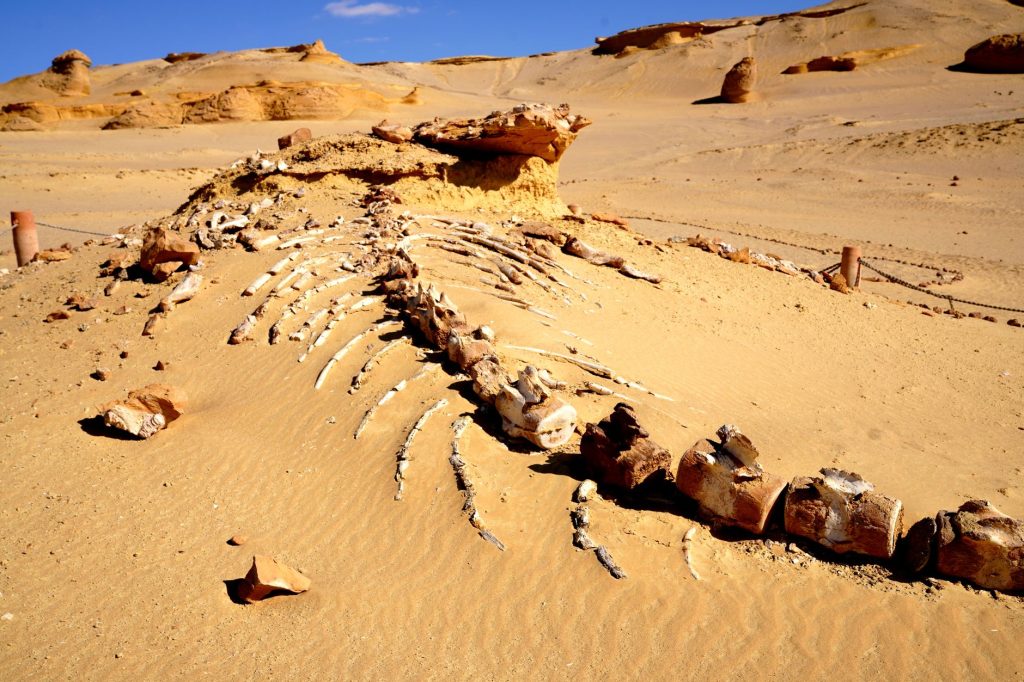
The prehistoric whale skull has unveiled extreme asymmetry, providing new insights into the evolutionary adaptations of ancient marine mammals.
What the Prehistoric Whale Skull Reveals
The discovery of a prehistoric whale skull has shed light on the unique evolutionary adaptations of ancient marine mammals. This remarkable find highlights extreme asymmetry in the skull structure, a trait that is relatively uncommon among modern whales. Researchers believe that this asymmetry may have played a crucial role in the whale’s feeding habits and social interactions.
Key findings from the research include:
- Evolutionary Insights: The prehistoric whale skull suggests a divergence in feeding strategies among ancient cetaceans.
- Social Behavior: The asymmetrical features may indicate complex social structures and communication methods.
- Adaptation to Environment: Variations in skull shape could reflect adaptations to different ecological niches during that era.
The implications of this discovery extend beyond the study of whales, providing a deeper understanding of evolutionary processes and the environmental challenges faced by prehistoric marine life.
The Significance of Skull Asymmetry
The discovery of the prehistoric whale skull has opened new avenues for understanding the evolution of cetaceans. Researchers are particularly intrigued by the extreme skull asymmetry exhibited by this ancient specimen. This asymmetry may provide insights into the functional adaptations of prehistoric whales as they navigated their aquatic environments.
Skull asymmetry can have significant implications for feeding strategies, sensory perception, and even social interactions among marine mammals. The unique characteristics of this prehistoric whale skull challenge previous assumptions about the uniformity of whale anatomy.
In examining the implications of such asymmetry, scientists are considering various factors:
- Evolutionary adaptations: How did these features help the species survive?
- Ecological impacts: What role did the whale play in its ecosystem?
- Comparative anatomy: How does this find relate to modern cetaceans?
Overall, the prehistoric whale skull serves as a critical piece of the puzzle in understanding the complexities of marine evolution.
How Asymmetry Affects Whale Evolution
The discovery of the prehistoric whale skull has shed light on the importance of asymmetry in whale evolution. As researchers analyze the unique features of the skull, they are uncovering how such irregularities may have influenced the development of various whale species over time.
Asymmetry in skull structure can have significant implications for feeding strategies and ecological adaptations. Some key points to consider include:
- Feeding Mechanisms: Asymmetrical skulls may allow for more specialized feeding techniques, enabling whales to exploit different food sources.
- Predatory Strategies: Variations in skull shape can affect a whale’s ability to maneuver while hunting, impacting its survival and reproductive success.
- Evolutionary Pathways: The study of skull asymmetry helps scientists understand the evolutionary pressures that shaped the ancestors of modern whales.
Overall, the prehistoric whale skull highlights how asymmetry is not merely a physical anomaly but a critical factor in the broader narrative of whale evolution.
New Discoveries in Marine Fossils
Recent excavations have unveiled a remarkable prehistoric whale skull that has captivated paleontologists worldwide. This discovery not only sheds light on the evolutionary adaptations of ancient marine mammals but also highlights the intriguing complexities of skull asymmetry. Fossils like this one provide crucial insights into how prehistoric whales navigated their environments and hunted for food.
Among the latest findings, researchers identified several key features of the skull that indicate a significant departure from modern whale anatomy. These include:
- Unusual bone structures that suggest a different method of echolocation.
- Variations in size between the left and right sides of the skull.
- Potential adaptations for specific ecological niches.
As scientists continue to analyze this prehistoric whale skull, it promises to deepen our understanding of marine evolution and the role of asymmetry in the development of diverse whale species.
Implications for Understanding Ancient Ecosystems
The recent discovery of a prehistoric whale skull has profound implications for our understanding of ancient ecosystems. This remarkable finding highlights the diversity of adaptations that existed among marine mammals millions of years ago. Specifically, the asymmetry observed in the skull challenges traditional views on how these creatures evolved and interacted within their habitats.
Researchers suggest that the unique features of the skull may indicate specialized feeding strategies or ecological niches that were previously unconsidered. Such adaptations could have allowed these whales to thrive in competitive environments, influencing the structure of ancient food webs.
Moreover, this discovery opens new avenues for exploring the evolutionary pathways of marine life. By studying the prehistoric whale skull, scientists can gain insights into how environmental changes may have shaped the anatomical developments of these creatures. Understanding these dynamics is crucial for piecing together the history of marine ecosystems and their response to shifting climates over time.
Future Research Directions in Paleontology
The discovery of the prehistoric whale skull has opened new avenues for research in paleontology, particularly regarding the implications of skull asymmetry. Future studies will focus on several key areas:
- Comparative Analysis: Researchers aim to compare this skull with other marine mammal fossils to understand the evolutionary mechanisms behind asymmetrical features.
- Functional Morphology: Investigating how the unique shape and structure of the prehistoric whale skull may have impacted feeding strategies and sensory perception.
- Paleoecological Context: Examining the environmental factors that could have influenced the evolution of these asymmetries in ancient marine ecosystems.
- Genetic Studies: Exploring the genetic basis of asymmetry to ascertain if similar traits existed in other prehistoric species.
As researchers delve deeper into these areas, the findings may reshape our understanding of evolutionary biology and the adaptations of ancient marine life.
Photo by George Wang on Pexels
References
Related stories
PEAK Update 3.1.0: The Best Fixes and Proven Improvements · Next-Gen Console Price: Worst Case Scenario Hits $1,000 · Blood in Dinosaur Bone: Proven Evidence Unveiled