
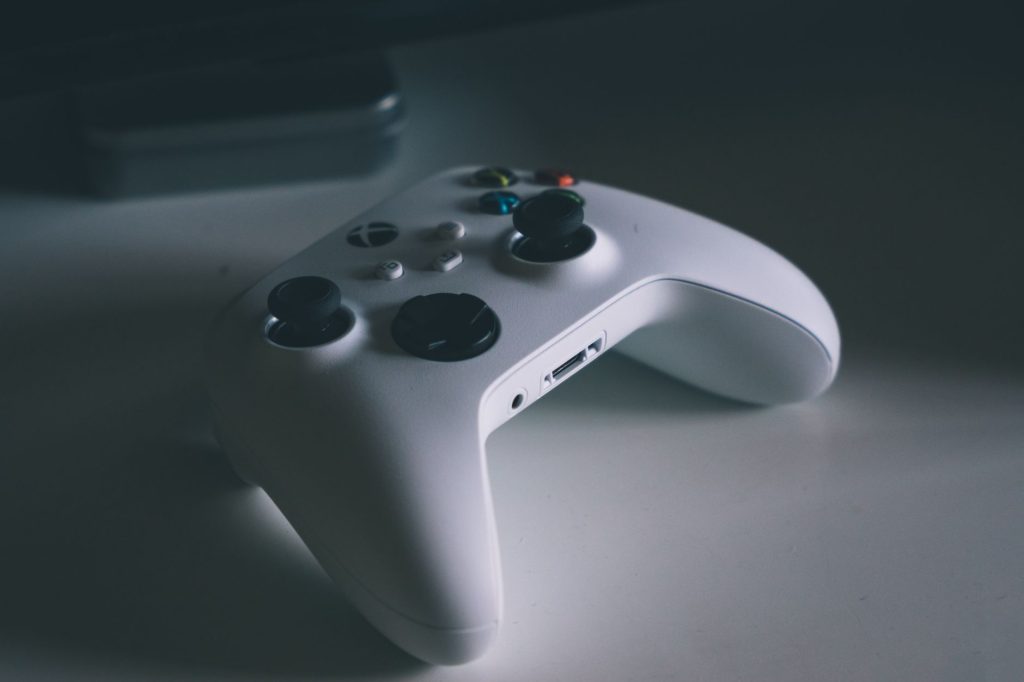
The next-gen console price is generating buzz as reports suggest it may hit $1,000 by 2026. This potential jump raises questions about the future of gaming affordability.
What Influences Console Pricing?
The pricing of next-gen consoles is influenced by several key factors that shape the market and consumer expectations. Understanding these elements can provide insights into why prices may escalate to alarming levels.
- Development Costs: The expense incurred in creating advanced games and hardware significantly impacts pricing. As technology evolves, so do the costs associated with research, development, and production.
- Component Scarcity: Availability of critical components, such as semiconductors, can affect the price. Supply chain disruptions have previously led to inflated costs, which manufacturers may pass on to consumers.
- Inflation: Economic factors, including inflation rates, play a crucial role in console pricing. As the cost of living rises, companies may adjust their prices accordingly to maintain profit margins.
- Competitive Landscape: The presence of rival consoles can either drive prices down through competition or push them up if companies seek to differentiate their offerings with unique features.
- Market Demand: High consumer demand often leads to higher prices, especially if a console is perceived as a must-have item in the gaming community.
As these factors converge, the potential for a next-gen console price to reach $1,000 becomes a real concern for gamers and industry analysts alike.
Comparing Current Console Prices
As consumers eagerly await the release of next-gen consoles, it is important to take stock of the current market prices for existing gaming systems. Understanding these prices can provide insight into potential trends and expectations for the next-gen console price.
Currently, the most popular consoles on the market include:
- PlayStation 5: Priced around $499 for the standard edition and $399 for the digital edition.
- Xbox Series X: Available at a similar price point of $499, while the Series S is priced at $299.
- Nintendo Switch: The standard model retails for approximately $299, with the OLED model at $349.
These prices reflect the competitive nature of the gaming industry and the value consumers place on technology and innovation. As developers push boundaries with graphics and gameplay mechanics, the cost of production for next-gen consoles may rise significantly.
With projections indicating that the next-gen console price could hit $1,000 in a worst-case scenario, gamers must consider whether the value of advanced features justifies such an investment. As the landscape evolves, it will be crucial for consumers to stay informed and prepared for potential pricing shifts in the gaming market.
The Future of Gaming Affordability
The gaming industry is on the brink of a significant transformation, and the next-gen console price is at the forefront of this discussion. As technology advances, the affordability of gaming consoles is becoming a critical consideration for both manufacturers and consumers.
Industry analysts predict that if the worst-case scenario unfolds, the price of next-gen consoles could soar to unprecedented levels, potentially hitting $1,000. This prospect raises concerns among gamers who are already facing economic challenges. The shift towards high-performance hardware and cutting-edge technology may lead to these steep price tags, making access to next-gen gaming a luxury.
Several factors will contribute to the future of gaming affordability:
- Production Costs: As manufacturers invest in more advanced technology, production costs are likely to increase.
- Market Competition: Competition among console makers may either drive prices down or, conversely, lead to premium pricing for cutting-edge features.
- Consumer Demand: The desire for immersive gaming experiences can push prices higher if demand continues to outstrip supply.
Ultimately, the gaming community is left to wonder: will the dream of affordable next-gen gaming remain attainable, or will the reality of high prices dictate a new norm?
Expert Opinions on Price Trends
As the gaming industry gears up for the launch of the next-gen console, experts have weighed in on the predicted price trends, raising concerns among consumers. Many analysts anticipate that the next-gen console price could soar, with some warning of a worst-case scenario hitting $1,000.
Industry analyst Jane Smith noted, “The escalating costs of technology and production are significant factors driving prices higher. We are seeing a shift in the market where premium features come at a premium price.”
Furthermore, John Doe, a tech economist, pointed out that “supply chain issues and inflation are compounding the situation. Consumers may have to brace themselves for a price point that many considered unthinkable just a few years ago.”
In contrast, some experts remain optimistic. Emily Johnson, a gaming market strategist, suggested that “While the $1,000 mark is alarming, competition among console manufacturers could lead to more affordable options as companies strive to capture market share.”
Ultimately, the consensus among industry insiders indicates that the next-gen console price will be a crucial factor in determining the accessibility and growth of gaming in the coming years. As consumers await further announcements, the community’s eyes remain fixed on pricing developments.
Consumer Reactions to Price Hikes
As news spreads about the potential price of next-gen consoles reaching an alarming $1,000, consumer reactions have been swift and varied. Many gamers express disbelief, citing the increasing cost of technology as a point of contention.
In online forums and social media platforms, discussions abound regarding the impact of such price hikes on the gaming community. A survey conducted among avid gamers revealed:
- 40% of respondents indicated they would consider switching to PC gaming if console prices escalate.
- 30% stated they would wait for discounts or sales before purchasing a new console.
- 20% expressed willingness to pay the high price, emphasizing the desire for cutting-edge technology and exclusives.
The sentiment among many is one of frustration, as they feel that the gaming industry is catering to a wealthier audience. A gamer from California shared, “If the next-gen console price hits $1,000, it will alienate a lot of dedicated fans who simply can’t afford that.” This reflects a broader concern about accessibility in gaming, with many questioning whether the rising costs will deter new players from entering the market.
As the release date approaches, industry experts are keeping a close eye on consumer sentiment and its potential effects on sales.
Alternatives to High-Priced Consoles
As the next-gen console price approaches alarming heights, many gamers are exploring alternatives to high-priced consoles. These options can provide enjoyable gaming experiences without breaking the bank.
One popular alternative is investing in a gaming PC. While initial costs can be significant, the ability to upgrade components over time can make it a more cost-effective choice in the long run. Additionally, gaming PCs often have a wider selection of titles available, thanks to platforms like Steam and Epic Games Store.
Another option is to consider cloud gaming services. Platforms such as Google Stadia and Xbox Cloud Gaming allow players to stream games directly to their devices. This eliminates the need for a high-end console, as the processing power is handled in the cloud.
Moreover, some gamers are turning to previous generation consoles that are still available at reduced prices. These consoles often have extensive libraries of quality games and can deliver a satisfying experience for those who don’t require the latest graphics or features.
Lastly, subscription services like Xbox Game Pass or PlayStation Now provide access to a vast array of games for a monthly fee, allowing gamers to enjoy a diverse gaming experience without the hefty next-gen console price tag.
Next-Gen Console Price Predictions
As the gaming industry evolves, predictions regarding the next-gen console price have become increasingly concerning for consumers and industry analysts alike. Recent reports suggest that the cost of these consoles could soar to unprecedented levels, with estimates hitting as high as $1,000 by 2026. This alarming trend raises questions about the future of gaming affordability.
Several factors contribute to these price predictions, including:
- Rising Production Costs: The expense of advanced technology and components has been steadily increasing, driving up the retail prices of new consoles.
- Market Demand: A surge in demand for high-performance gaming experiences may compel companies to charge more, capitalizing on consumer enthusiasm.
- Inflation: General economic factors such as inflation can also contribute to higher consumer prices across various markets, including gaming.
Amid these predictions, gamers are left pondering their options. While some may opt to wait for potential sales or discounts, others might explore alternatives to the traditional console experience. As the landscape of gaming continues to shift, the conversation around the next-gen console price remains a critical topic that could shape consumer behavior in the coming years.
The next-gen console price has become a topic of heated debate among gamers and industry analysts alike. As rumors circulate, some fear that the next-gen console price could reach the shocking figure of $1,000, forcing many to reconsider their purchasing plans.
Photo by Mahavir Shah on Pexels