
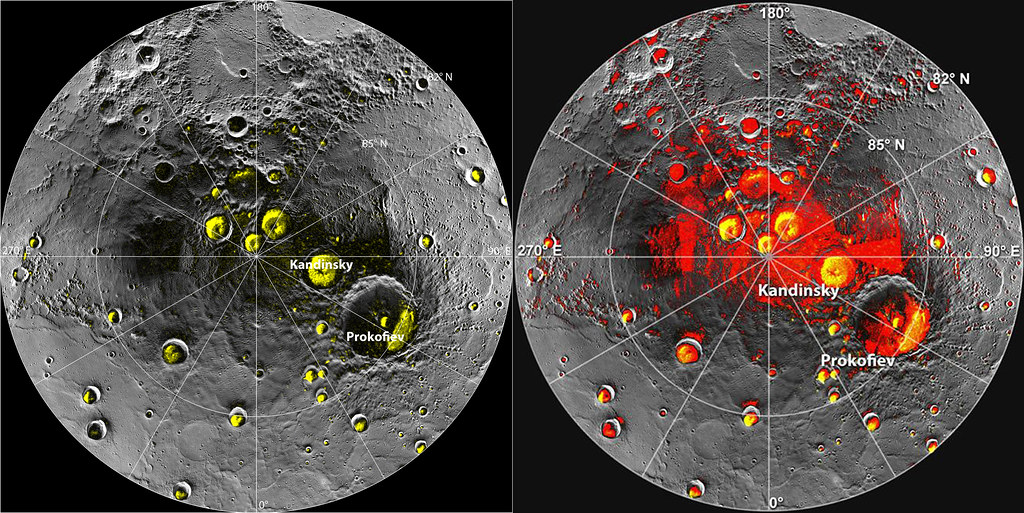
The South Pole Telescope map presents the clearest depiction of matter in the distant universe, marking a significant milestone in astronomical research.
Understanding the South Pole Telescope map
The recent release of the South Pole Telescope map has provided astronomers with an unprecedented view of the distant universe. This groundbreaking map reveals the distribution of matter across vast cosmic distances, allowing scientists to gain insights into the structure and evolution of the universe.
Constructed using data collected over several years, the South Pole Telescope map showcases intricate details of the cosmic microwave background radiation. This radiation is a remnant from the early universe and serves as a crucial indicator of how matter is distributed in space.
Key features of the South Pole Telescope map include:
- Detailed Imaging: The map presents a higher resolution than any previous efforts, capturing faint signals that were once undetectable.
- Cosmic Structures: It highlights large-scale structures such as galaxy clusters and filaments of dark matter that shape the universe.
- Enhanced Understanding: By analyzing this data, researchers can refine their models of cosmic evolution and the behavior of dark energy.
The implications of this map are significant, as it helps bridge gaps in our understanding of how galaxies and other cosmic phenomena evolved over billions of years. As research continues, the South Pole Telescope map will undoubtedly play a crucial role in advancing our knowledge of the universe’s history.
Key findings from the latest observations
The latest observations from the South Pole Telescope map have unveiled several groundbreaking findings that enhance our understanding of the universe’s structure and evolution. Researchers have reported significant discoveries, which include:
- Enhanced Cosmic Clarity: The South Pole Telescope map provides an unprecedented level of detail on the distribution of dark matter across vast cosmic distances, allowing scientists to trace the formation of galaxies and clusters.
- New Insights into Cosmic Microwave Background: The map offers a clearer view of the cosmic microwave background radiation, helping astronomers refine their models of the universe’s early moments and the forces that shaped it.
- Identification of Distant Galaxy Clusters: The observations have led to the identification of previously unseen galaxy clusters, providing valuable data on their mass and evolution over billions of years.
- Improved Understanding of Dark Energy: By mapping the large-scale structure of the universe, researchers can gain insights into the nature of dark energy and its role in the universe’s expansion.
These findings not only highlight the advancements made through the South Pole Telescope map but also open new avenues for research in astrophysics. The implications of this data may reshape our comprehension of fundamental cosmic processes.
Implications for cosmic research
The release of the South Pole Telescope map marks a significant milestone in the field of cosmic research. This unprecedented clarity allows astronomers to delve deeper into the mysteries of the universe, potentially reshaping our understanding of its evolution and structure.
One of the primary implications of this enhanced mapping is the potential to study dark matter and dark energy with greater accuracy. The South Pole Telescope map provides a detailed view of the distribution of matter across vast cosmic distances, illuminating areas previously shrouded in uncertainty. This can lead to new insights into how galaxies form and interact.
Furthermore, the findings could challenge existing theories related to the expansion of the universe. Researchers believe that the detailed observations may reveal inconsistencies in current models, prompting a reevaluation of fundamental concepts in cosmology.
Additionally, the map enhances our ability to identify and analyze cosmic microwave background radiation, a remnant from the Big Bang. This could provide clues about the early universe and its subsequent development.
In summary, the South Pole Telescope map not only refines our knowledge of the universe’s composition but also opens up new avenues for inquiry. As scientists continue to analyze the data, the implications for cosmic research promise to be profound and far-reaching.
The technology behind the telescope
The South Pole Telescope is equipped with advanced technology that enables it to capture unprecedented images of the distant universe. One of the key components of this telescope is its large primary mirror, which measures 10 meters in diameter. This expansive mirror allows the telescope to gather more light, enhancing its ability to observe faint celestial objects.
Another significant aspect of the South Pole Telescope is its sensitive detectors. These detectors are designed to measure the faint signals from cosmic microwave background radiation, providing crucial data for scientists. By utilizing millimeter-wave technology, the telescope can penetrate through cosmic dust that often obscures the view in optical wavelengths.
Additionally, the telescope’s location at the South Pole plays a vital role in its effectiveness. The high altitude and dry atmosphere reduce atmospheric interference, allowing for clearer observations. This unique setting contributes to the production of the South Pole Telescope map, which showcases the distribution of dark matter across the universe.
Finally, the telescope’s cutting-edge data processing capabilities enable astronomers to analyze vast amounts of information collected during observations. This technology not only enhances the quality of the images but also leads to more accurate interpretations of cosmic phenomena, furthering our understanding of the universe.
By NASA Goddard Photo and Video via Openverse
Sources
Related reading
Google Messages Gemini Channels: The Best Simple Tool for Tasks · Robotics startup valuation: Is it the best time to invest? · Lakshya Aerotech funding: Best Proven Strategies for Growth