
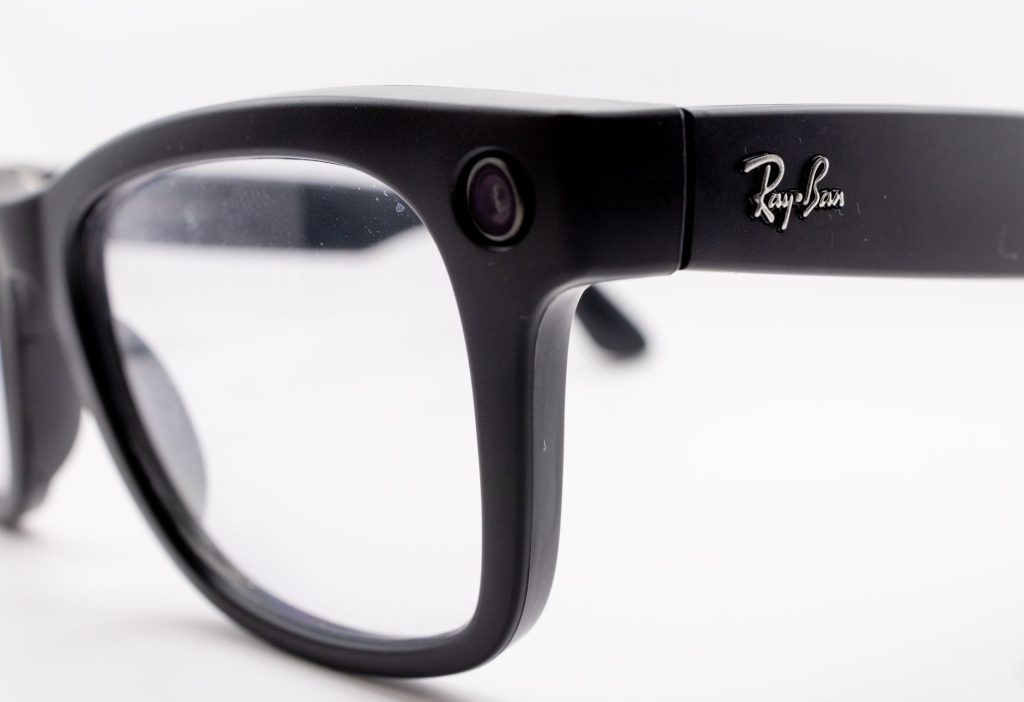
Meta smart glasses recording has sparked outrage after the company admitted they were capturing conversations without the wake phrase. This revelation has raised significant privacy concerns among users.
What Happened with Meta’s Smart Glasses?
The recent revelation regarding Meta’s smart glasses has stirred significant concern among consumers and privacy advocates alike. Reports indicate that these devices were recording conversations without the necessary wake phrase, leading to accusations of a serious breach of privacy.
According to sources, users were unaware that their conversations were being captured by the smart glasses, which were marketed as a tool for hands-free recording and sharing of experiences. The company has since acknowledged the mistake, stating that a software glitch allowed the devices to activate without the user’s intent.
This incident raises critical questions about the implications of wearable technology in our daily lives. As smart glasses become increasingly integrated into personal and professional environments, the potential for misuse of recorded data becomes more pronounced. Experts emphasize the need for robust privacy safeguards and transparent user consent protocols.
Consumers have expressed outrage over the situation, with many urging stricter regulations on tech companies to protect individual privacy rights. Some have even called for a boycott of Meta products until they can ensure the safety and security of their devices.
In light of this breach, many are now re-evaluating their trust in tech giants. The implications of Meta smart glasses recording without consent are far-reaching, potentially influencing future legislation regarding privacy and technological transparency.
Understanding the Privacy Implications
The recent revelation concerning Meta smart glasses recording has raised significant concerns about user privacy and consent. As technology continues to advance, the line between convenience and privacy becomes increasingly blurred.
When users purchase smart glasses, they expect a certain level of control over their devices, including when they are actively recording. However, the admission by Meta that their smart glasses recorded conversations without the designated wake phrase has sparked outrage among consumers and privacy advocates alike.
The implications of such a breach are profound. Users may unwittingly have their private conversations captured and stored, leading to potential misuse of sensitive information. This breach of trust can have several far-reaching effects:
- Loss of Trust: Consumers may become wary of using smart devices, fearing that their privacy is compromised.
- Legal Repercussions: Meta could face lawsuits if users feel their rights have been violated, leading to potential financial and reputational damage.
- Regulatory Scrutiny: Governments may impose stricter regulations on tech companies regarding user consent and data protection.
As discussions surrounding privacy continue, it is crucial for companies like Meta to prioritize transparency and user consent, ensuring that their innovations do not come at the cost of individual privacy rights.
User Reactions to the Recording Issue
Following the revelation that Meta’s smart glasses were recording conversations without the wake phrase, users have expressed a mix of outrage and concern regarding privacy breaches. Many took to social media platforms to voice their frustration, highlighting the potential ramifications of such an incident.
- Invasion of Privacy: Users feel that their personal space has been compromised. One user tweeted, “I never consented to being recorded. This is an invasion of privacy that can’t be ignored.”
- Trust Issues: Trust in technology companies is wavering. A frequent user of smart devices stated, “How can we trust Meta with our data if their devices are recording without our knowledge?”
- Demand for Transparency: Many have called for greater transparency from Meta regarding the functionality of their smart glasses. Customers want to know how recording features are activated and whether they can be turned off.
- Concerns Over Surveillance: The incident has led to broader discussions about surveillance technology. Users are worried that this could set a precedent for future devices, with one commenter noting, “If this is happening now, what’s to stop it from happening again?”
As debates continue, the general sentiment is clear: users demand stronger protections and clearer guidelines surrounding the use of Meta smart glasses recording capabilities.
Meta’s Response to the Controversy
In response to the growing controversy surrounding the Meta smart glasses recording issue, the company has issued a statement acknowledging the concerns raised by users and privacy advocates alike. Meta has emphasized that the smart glasses were designed with user control and privacy in mind; however, the recent revelations have prompted a reevaluation of their functionality.
According to Meta’s spokesperson, the recording feature was meant to enhance user experience, but they failed to adequately address the potential for unintended recordings. The spokesperson stated, “We take privacy very seriously and are committed to ensuring that our devices operate within the guidelines of user consent.”
Meta has outlined several steps they plan to take in order to regain users’ trust:
- Software Updates: The company will roll out updates to improve the activation process of the recording feature, ensuring that it only initiates with the correct wake phrase.
- User Education: Meta is launching an educational campaign to inform users about the features and privacy settings available on the smart glasses.
- Enhanced Privacy Settings: Future updates will include more granular control over recording permissions, allowing users to customize their experience.
As Meta navigates this challenging situation, the company is hopeful that these measures will mitigate privacy concerns and restore confidence in their innovative technology.
Future of Smart Glasses Technology
The future of smart glasses technology is poised for significant evolution, especially in the wake of recent controversies surrounding Meta smart glasses recording. As companies race to innovate in wearable technology, there remains a pressing need to address privacy concerns that have emerged as a central issue.
Smart glasses have the potential to revolutionize how we interact with the digital world, offering hands-free access to information and communication. However, the recent admission from Meta about the unintended recording of conversations has sparked a larger discussion about the ethical implications of such technologies. Users expect their devices to respect their privacy, and breaches can have far-reaching consequences.
As we look ahead, several key areas will likely shape the development of smart glasses:
- Enhanced Privacy Features: Future iterations may include robust privacy controls, allowing users to manage recording capabilities more effectively.
- User Education: Companies will need to educate consumers on how to use smart glasses responsibly and be aware of potential risks.
- Regulatory Standards: Increased scrutiny from regulators could lead to stricter guidelines governing how recording technology is implemented.
- Consumer Trust: Building and maintaining trust will be crucial, as companies strive to demonstrate transparency in their technology.
Ultimately, the trajectory of smart glasses technology hinges on a delicate balance between innovation and the fundamental right to privacy.
The recent revelations surrounding the Meta smart glasses recording have raised significant concerns about user privacy and data security. Many consumers are now questioning the implications of such invasive technology in their daily lives.
Photo by Caleb Oquendo on Pexels
Sources
Related stories
You may also like
-
Automate lease and rent handling with student property Management software
-
Secrets of Viral YouTube Ads: What Sets Them Apart?
-
What are the top 10 advancements in agricultural technology being discussed in the news?
-
What are the top 10 documentaries or films making an impact on social issues?
-
What are the top 10 developments in virtual or augmented reality technologies in the news?