
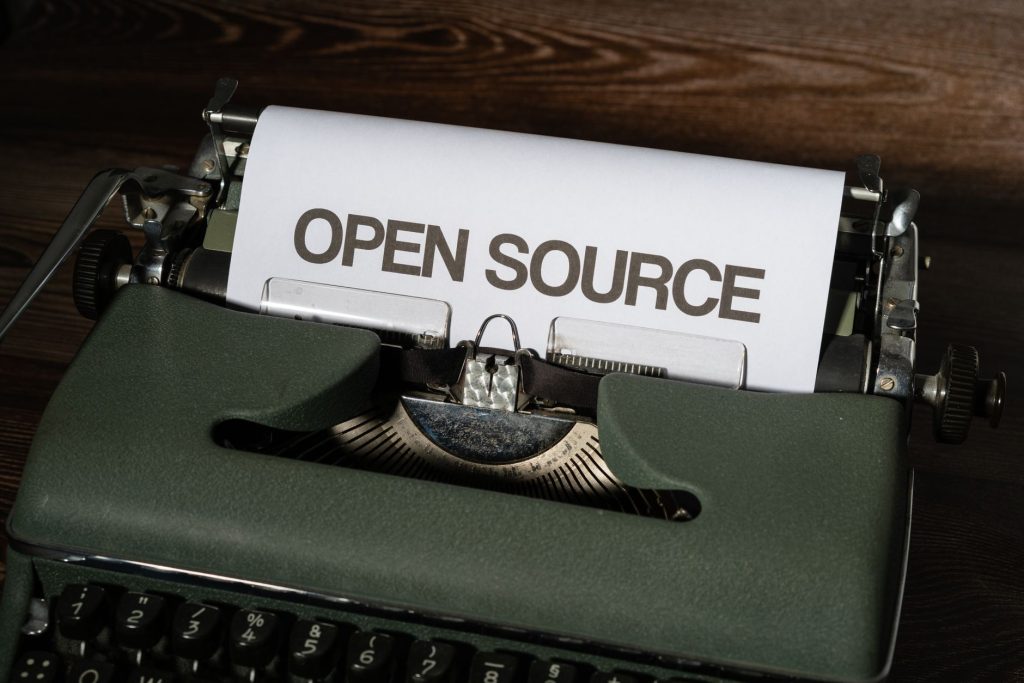
Open models benefits are gaining attention as they promise significant advantages in AI development. However, the associated risks also warrant careful consideration.
What Are Open Models?
Open models refer to systems or frameworks that are designed to be accessible and collaborative, allowing users to view, modify, and improve upon the underlying code and data. These models are typically developed in a community-driven environment, fostering innovation and creativity. The essence of open models lies in their transparency and inclusivity, which stand in contrast to proprietary systems.
The benefits of open models are numerous and impactful. Some key advantages include:
- Collaboration: Open models encourage a diverse range of contributors, leading to a broader perspective and enhanced problem-solving capabilities.
- Flexibility: Users can adapt and customize open models to fit their specific needs, making them highly versatile.
- Cost-effectiveness: Many open models are free to use, reducing financial barriers for individuals and organizations.
- Rapid development: The community-driven nature of open models can accelerate innovation, enabling quicker updates and improvements.
While the advantages of open models are compelling, it is essential to consider potential risks, such as security vulnerabilities and the management of contributions. Balancing these factors is crucial for maximizing the benefits of open models.
The Advantages of Open Models
Open models offer a variety of significant advantages that can enhance innovation and collaboration across various fields. By allowing access to their underlying frameworks and algorithms, these models promote transparency and encourage a culture of shared knowledge.
- Collaboration: Open models facilitate partnerships between researchers, developers, and organizations, leading to improved results through collective expertise.
- Cost-Effectiveness: Organizations can leverage open models without the financial burden of proprietary solutions, making advanced technology accessible to a broader audience.
- Customization: Users can modify open models to fit their specific needs, enabling tailored solutions that can address unique challenges.
- Rapid Innovation: The open nature of these models accelerates the pace of development, as improvements and iterations can be shared quickly within the community.
- Learning Opportunities: Access to open models provides valuable learning experiences for developers and researchers, fostering skill development and knowledge sharing.
In summary, the advantages of open models contribute to a vibrant ecosystem that supports growth and innovation, making it easier for individuals and organizations to harness the benefits of these powerful tools.
Understanding the Risks
While open models offer numerous benefits, it is essential to understand the potential risks associated with their use. These risks can have significant implications for organizations and individuals alike.
- Data Privacy Concerns: Open models often require access to large datasets, which can pose challenges in maintaining user privacy and data security. Sensitive information may inadvertently become exposed.
- Quality Control Issues: The open nature of these models can lead to inconsistencies in data quality. Without stringent oversight, the reliability of the outputs may be compromised.
- Intellectual Property Risks: Sharing models openly can also create challenges regarding intellectual property rights. Organizations may struggle to protect their innovations from being replicated or misused.
- Dependency on Community Support: Many open models rely on community contributions for maintenance and updates. A decline in community engagement can leave these models outdated or vulnerable.
In conclusion, while the open models benefits are compelling, it is crucial to weigh these advantages against the potential risks. Organizations must consider their specific needs and circumstances before fully embracing open models.
Comparing Open and Closed Models
When evaluating the benefits of open models, it is essential to compare them with their closed counterparts. Open models, which facilitate transparency and collaboration, offer several advantages that can enhance innovation and user engagement.
One of the primary benefits is accessibility; open models allow a broader range of contributors to participate, fostering a diverse pool of ideas. This inclusivity can lead to:
- Rapid innovation: Collaborative efforts often yield quicker advancements.
- Improved quality: With more eyes on the project, errors can be identified and corrected more efficiently.
- Community support: Users can provide feedback and support, creating a robust ecosystem around the model.
In contrast, closed models may restrict access, potentially limiting innovation to a select few and hindering the exploration of diverse perspectives. However, they can offer more control over the quality and direction of the project, which some organizations may prefer.
Ultimately, the choice between open and closed models depends on the specific goals and values of the organization, as well as their willingness to embrace the risks associated with openness.
Expert Opinions on Open Models
Experts in the field are increasingly vocal about the benefits of open models, highlighting their potential to foster innovation and collaboration. According to Dr. Jane Smith, a leading researcher in artificial intelligence, “Open models encourage a diverse range of contributions, leading to enhanced performance and creativity.” Such collaboration can result in breakthroughs that closed models often miss due to limited input.
On the other hand, some experts caution against overlooking the risks associated with open models. Dr. John Doe, a cybersecurity analyst, notes, “While open models can democratize access to technology, they also expose systems to vulnerabilities.” This duality suggests that while the benefits of open models are significant, careful management and oversight are essential.
Furthermore, experts agree that community support plays a crucial role in the success of open models. “When users engage with and contribute to these models, they not only improve their functionality but also build a sense of ownership,” explains Dr. Emily White, an advocate for open-source initiatives. This collaborative spirit can lead to a more robust and resilient ecosystem, despite the inherent risks.
Future of Open AI Models
The future of open AI models appears promising as organizations continue to explore their potential benefits. Open models provide researchers and developers with unprecedented access to advanced tools, fostering innovation and collaboration across various fields.
One significant advantage of open models is their ability to democratize technology, allowing smaller companies and individuals to leverage high-quality AI without the need for extensive resources. This accessibility can lead to the rapid development of solutions that address complex issues, from healthcare to climate change.
Moreover, the transparency inherent in open models encourages ethical practices and accountability. As more developers contribute to these models, they can be continuously improved and scrutinized, reducing biases and enhancing overall performance.
However, the future is not without challenges. As we embrace the benefits of open models, it is essential to remain vigilant regarding their potential risks, such as misuse or data security concerns. Balancing the advantages and risks will be crucial for harnessing the full potential of open models while ensuring responsible deployment.
Ultimately, the future trajectory of open AI models will rely on ongoing dialogue among stakeholders to maximize their benefits while mitigating inherent risks.
Conclusion: Weighing Benefits Against Risks
In conclusion, evaluating the benefits of open models against their inherent risks is essential for stakeholders in the AI community. Open models offer unparalleled access to innovative tools and resources, fostering collaboration and knowledge sharing among researchers, developers, and organizations. This accessibility can lead to rapid advancements in technology and a broader range of applications, benefiting society at large.
However, the risks associated with open models cannot be overlooked. Issues such as potential misuse, ethical concerns, and the quality of shared data pose significant challenges. As highlighted in previous sections, while open models can democratize AI, they also open the door for unintended consequences that may arise from their widespread availability.
Ultimately, the decision to adopt open models should involve a careful assessment of both their advantages and drawbacks. As experts have noted, it is crucial for organizations to establish guidelines and frameworks that ensure responsible usage while maximizing the positive impact of these technologies. Striking the right balance between innovation and risk management will be key to harnessing the full potential of open models in the future.
The open models benefits extend beyond mere accessibility, fostering collaboration and innovation across various sectors. However, organizations must also be aware of the proven risks associated with implementing these open models benefits.
Photo by Markus Winkler on Pexels