
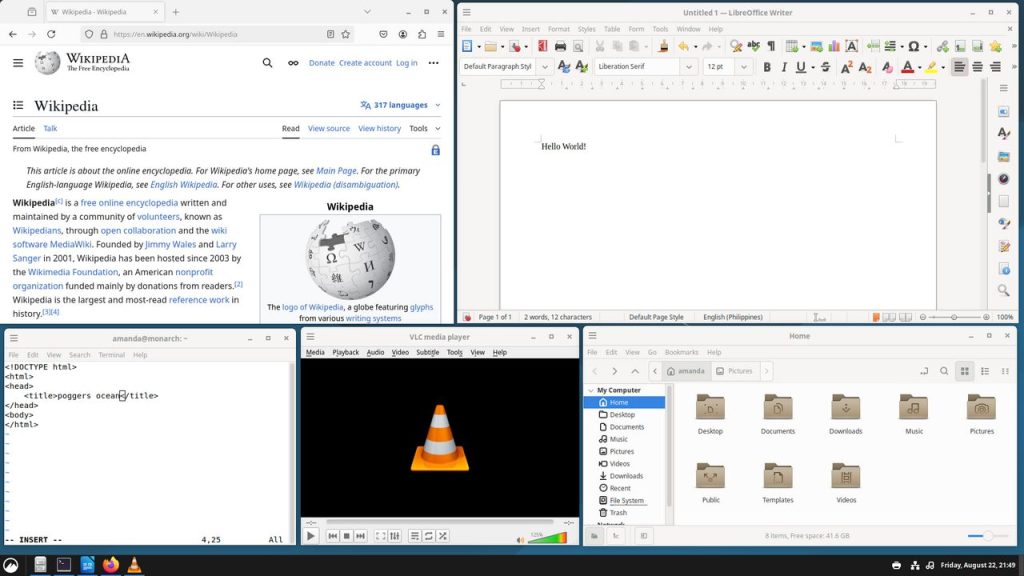
The open source app has emerged as a superior alternative to Microsoft Phone Link. Users are increasingly seeking free solutions that offer enhanced functionality and performance.
Why Choose an Open Source App?
As technology continues to evolve, many users are exploring alternatives to proprietary software, leading to the growing popularity of open source apps. There are several compelling reasons to choose an open source app over traditional options like Microsoft.
One major advantage is cost-effectiveness. Open source apps are typically free to use, eliminating the need for costly subscriptions or licenses. This makes them an attractive option for individuals and businesses looking to save money.
Another benefit is customizability. Open source apps allow users to modify the source code to fit their specific needs, fostering innovation and personal adaptation that proprietary software often lacks.
Additionally, community support is a key aspect of open source software. Users can rely on a network of contributors for troubleshooting and enhancements, leading to rapid improvements and updates.
Lastly, choosing an open source app promotes transparency. Users can examine the code for security vulnerabilities, ensuring a safer experience compared to closed-source alternatives.
In essence, open source apps provide a viable and often superior alternative to Microsoft solutions.
Comparing Features with Microsoft Phone Link
When evaluating the capabilities of an open source app versus Microsoft Phone Link, several key features come into play. Users often prioritize functionality, ease of use, and customization options. Below are some aspects where the open source app excels:
- Customization: One of the standout benefits of an open source app is its ability to be tailored to individual user needs. This flexibility allows users to modify the app, enhancing their experience.
- Cost: Unlike Microsoft Phone Link, which may require a subscription or licensing fee, the open source app is entirely free. This can significantly reduce the overall cost of managing devices.
- Privacy: Many users are concerned about data security. The open source app often offers better transparency regarding data usage, giving users more control over their information.
- Community Support: Open source apps typically have a vibrant community of developers and users who contribute to ongoing improvements and troubleshooting.
These features make the open source app a compelling alternative, drawing users away from traditional software like Microsoft Phone Link.
User Experiences with the New App
Many users have shared their experiences after switching to the new open source app, highlighting both its advantages and challenges. A common theme among user reviews is the app’s impressive functionality.
- Seamless Integration: Users appreciate how the open source app integrates effortlessly with various devices, allowing for smooth transitions between phones and computers.
- Customization Options: The flexibility to customize features has won over many users. They enjoy tailoring the app to fit their unique needs, which is often not possible with proprietary software.
- Community Support: Users have noted the strong community surrounding the app, providing forums and resources for troubleshooting and tips, enhancing the overall user experience.
- Frequent Updates: The active development community means that users benefit from regular updates, ensuring the app remains competitive with Microsoft alternatives.
However, some users have encountered challenges, particularly regarding the initial learning curve. Nevertheless, many agree that the benefits of using an open source app outweigh the drawbacks, making it a viable alternative to Microsoft Phone Link.
The Future of Open Source Applications
The landscape of software continues to shift as more users seek alternatives to traditional proprietary solutions. The rise of the open source app movement has paved the way for innovative applications that prioritize user autonomy and flexibility. As technology evolves, open source applications are becoming increasingly sophisticated, often matching or surpassing the capabilities of their commercial counterparts.
One of the most significant advantages of open source apps is the collaborative nature of their development. Community-driven projects allow for rapid updates and a diverse range of features, reflecting the needs and desires of users. This participatory approach fosters a sense of ownership among users, leading to a more tailored experience.
Looking ahead, the future of open source applications appears bright. As awareness grows and more developers contribute, we can expect a surge in quality offerings across various categories. The combination of transparency, security, and customization makes open source apps a compelling alternative for those disillusioned with established giants like Microsoft.
In a world where digital freedom is paramount, open source apps are not just a trend; they are shaping the future of software.
via Wikimedia Commons