
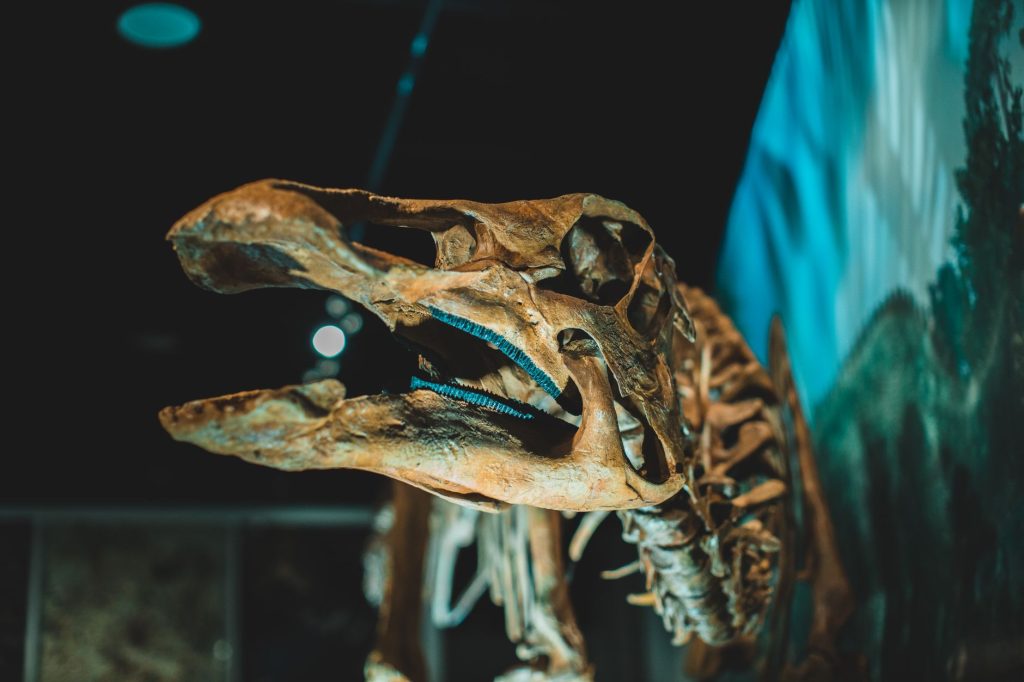
Blood in dinosaur bone has captured the attention of scientists and enthusiasts alike. Recent findings suggest that evidence of blood may indeed be present in these ancient fossils, challenging our understanding of dinosaur biology.
Recent Discoveries in Paleontology
Recent discoveries in paleontology have shed new light on the existence of blood in dinosaur bone. A team of scientists has made headlines by analyzing fossilized remains that display remarkable preservation. Their research has revealed structures resembling blood vessels and cells, prompting discussions about the possibility of ancient organic materials surviving for millions of years.
Key findings from the study include:
- The identification of soft tissue within the dinosaur bones.
- Evidence of what appears to be red blood cells, suggesting a more complex biology than previously understood.
- Advanced imaging techniques used to visualize microscopic details that support the presence of blood-related components.
These discoveries not only challenge long-held beliefs about fossilization processes but also ignite excitement within the scientific community. As researchers continue to investigate the implications of finding blood in dinosaur bone, the potential for understanding dinosaur physiology and behavior may significantly expand. This breakthrough could redefine our knowledge of how these ancient creatures lived and interacted with their environments, highlighting the importance of ongoing paleontological research.
What Scientists Found
Recent investigations into dinosaur fossils have revealed astonishing findings that may rewrite our understanding of ancient life. Scientists have discovered what they believe may be evidence of blood in dinosaur bone, sparking excitement and intrigue within the paleontological community.
The research team utilized advanced imaging techniques and biochemical analyses to explore the molecular composition of the fossilized tissue. Key findings include:
- Preservation of Soft Tissues: The team identified remnants of what appears to be blood vessels and cells, suggesting that some soft tissues have remarkably survived millions of years of fossilization.
- Cellular Structure: Microscopic examinations revealed structures resembling red blood cells, which could provide insights into the biology of these ancient creatures.
- Potential for Genetic Material: The presence of organic compounds raises the possibility of extracting genetic material, opening new avenues for research into dinosaur evolution and physiology.
These discoveries challenge long-held beliefs about the preservation of biological materials in fossils, highlighting the need for further studies to understand the implications of blood in dinosaur bone and its significance in paleontology.
Implications of Blood in Fossils
The discovery of blood in dinosaur bone has monumental implications for the field of paleontology. This finding challenges long-held beliefs about the preservation of organic materials in fossils, as scientists previously thought that such materials would degrade rapidly over millions of years.
One significant implication is the potential for extracting genetic information from ancient specimens. If blood cells can survive the fossilization process, it raises the possibility of sequencing DNA from dinosaurs, offering insights into their biology, behavior, and evolution.
Moreover, this discovery could lead to a reevaluation of how we interpret fossilized remains. Researchers may need to consider the conditions under which these remains were preserved, including the role of minerals and environmental factors in maintaining organic material.
Additionally, the presence of blood in fossils can enhance our understanding of the physiological processes in dinosaurs. This could reshape our perspective on their growth, metabolism, and even diseases they may have faced.
Overall, the implications of finding blood in dinosaur bone extend far beyond mere curiosity; they open up new frontiers in paleontological research and the understanding of ancient life.
How Blood Survives in Bones
Recent advancements in technology have shed light on how blood in dinosaur bone can survive for millions of years. Scientists have discovered that certain conditions play a crucial role in the preservation of organic materials within fossilized bones.
One key factor is the environment in which the bones are buried. Fossils found in low-oxygen conditions, such as swamps or lakes, tend to preserve soft tissues better than those found in more arid environments. The lack of oxygen limits the activity of bacteria that typically decay organic matter.
Additionally, the mineralization process that occurs over time can encapsulate and protect the remaining biological materials. This process involves the replacement of organic components with minerals, which can help to maintain the structural integrity of the bone.
Furthermore, researchers have identified specific proteins and cellular structures that indicate the presence of ancient blood. These discoveries provide compelling evidence that not only can blood survive in dinosaur bones, but it can also offer insights into the biology and behavior of these prehistoric creatures.
The Science Behind Fossilization
The process of fossilization is a complex interplay of biological and geological factors that preserves remnants of ancient life. When an organism dies, its soft tissues typically decay, but under certain conditions, hard tissues like bones can undergo mineralization. This process is crucial for the preservation of vital information, including the potential for finding blood in dinosaur bone.
Fossilization often occurs in anoxic environments, where the absence of oxygen slows down decomposition. Over millions of years, minerals infiltrate the organic materials, replacing them atom by atom. This can create a detailed record of the organism’s structure.
Additionally, factors such as sediment type, temperature, and pressure can influence the preservation quality. Some fossils are found in amber or tar pits, which can trap and preserve soft tissues more effectively than typical burial in sediment.
Recent advancements in imaging technology and biochemical analysis have allowed scientists to study these fossils in unprecedented detail, revealing the possibility of preserved materials that were once thought to be lost. Understanding the science behind fossilization is essential to grasp the significance of these groundbreaking discoveries.
Expert Opinions on the Findings
Experts in the field have expressed a mix of excitement and skepticism regarding the recent discoveries of blood in dinosaur bone. Dr. Jane Holloway, a leading paleontologist, stated, “This finding could revolutionize our understanding of dinosaur biology and their physiological functions.” She emphasized the potential for further research to unlock secrets of how these ancient creatures lived and evolved.
Conversely, Dr. Mark Richards, a biochemist, highlighted the challenges of confirming the presence of blood. “While the initial results are promising, we need rigorous testing to verify the authenticity of the blood in the samples,” he noted. This sentiment was echoed by several researchers who urge caution until more definitive evidence is presented.
Other experts suggest that the discovery might also lead to new methodologies in paleontological research. Dr. Sarah Chen remarked, “If we can confirm blood in dinosaur bones, we could open doors to studying the genetic material of these species, something we previously thought impossible.” As the scientific community awaits further analyses, the implications of blood in dinosaur bone continue to spark debate and curiosity.
Future Research Directions
The discovery of blood in dinosaur bone has opened new avenues for research in paleontology, prompting scientists to explore various aspects of this fascinating finding. Future research directions may include the following:
- Genetic Analysis: Investigating the genetic material present within the blood cells could provide insights into the evolutionary relationships between dinosaurs and modern birds.
- Biochemical Studies: Further studies on the biochemical composition of the blood may help elucidate how these ancient organisms functioned and survived in their environments.
- Environmental Context: Examining the geological context in which the blood in dinosaur bone was found can yield information about the ecosystems these creatures inhabited.
- Comparative Research: Analyzing blood remnants from other fossilized species can enhance our understanding of blood preservation and its implications across different taxa.
- Advanced Imaging Techniques: Utilizing cutting-edge imaging technologies may allow for a deeper investigation into the microstructures of the bones and the blood they contain.
These research directions highlight the importance of multidisciplinary approaches in unlocking the mysteries of prehistoric life.
Public Interest in Dinosaur Discoveries
The discovery of blood in dinosaur bone has captured the imagination of the public, sparking widespread interest in paleontology. As more evidence emerges from recent excavations, people are eager to learn about the lives of these ancient creatures and how they relate to modern-day animals.
Social media platforms have played a key role in disseminating information about these findings, allowing enthusiasts and scientists alike to share insights and engage in discussions. The excitement surrounding this discovery has led to an increase in attendance at museums and educational events focused on dinosaurs.
Moreover, documentaries and articles highlighting these breakthroughs have opened up avenues for public engagement. Many individuals now view paleontology not just as a scientific discipline, but as a thrilling exploration of history.
In addition to fostering curiosity, public interest in dinosaur discoveries has encouraged funding for further research. As scientists continue to investigate the implications of blood in fossils, the hope is that these findings will deepen our understanding of evolution and the ecological dynamics of the past.
Overall, the intersection of science and public fascination promises a bright future for paleontological studies.
Photo by Jonathan Cooper on Pexels